FDM
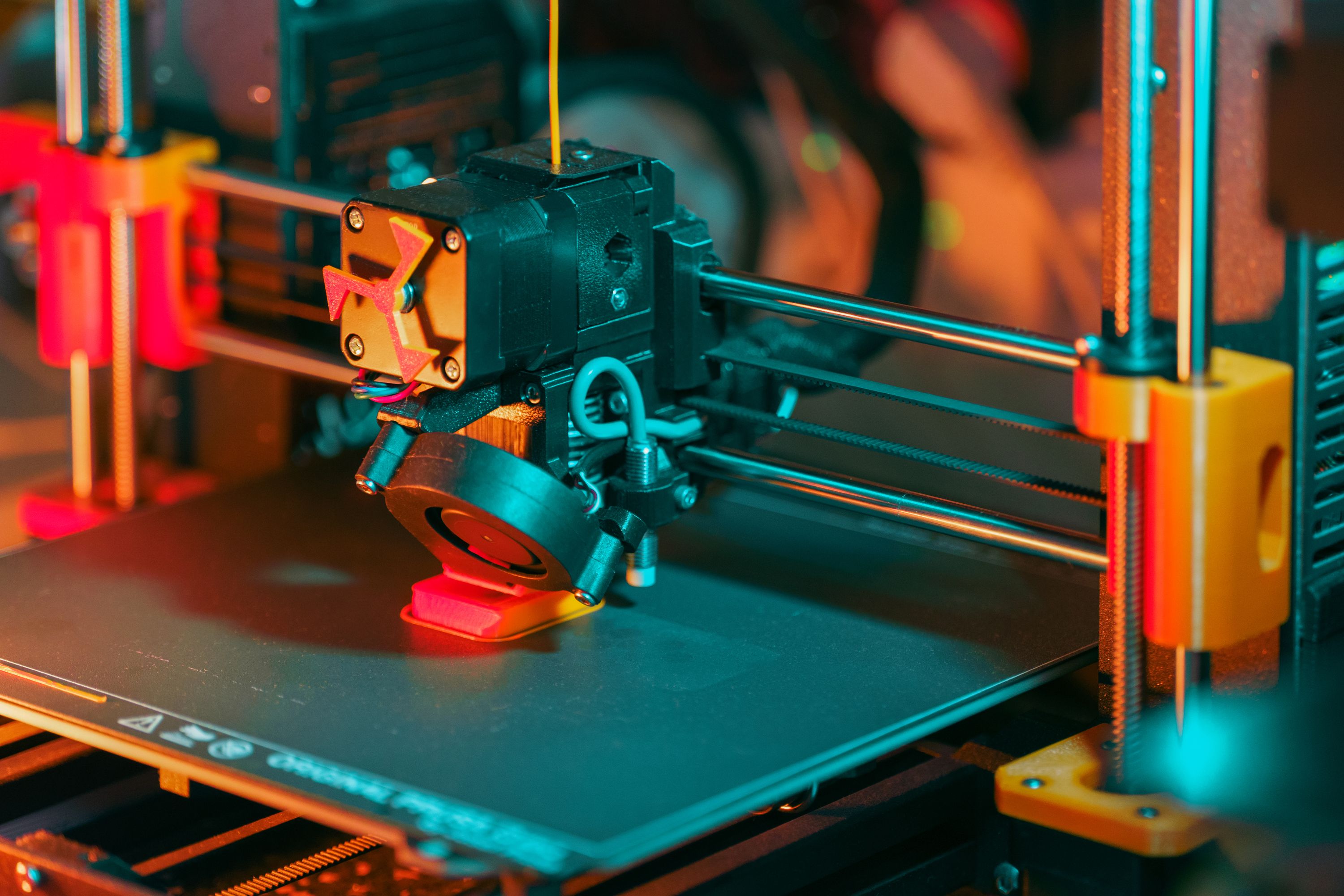
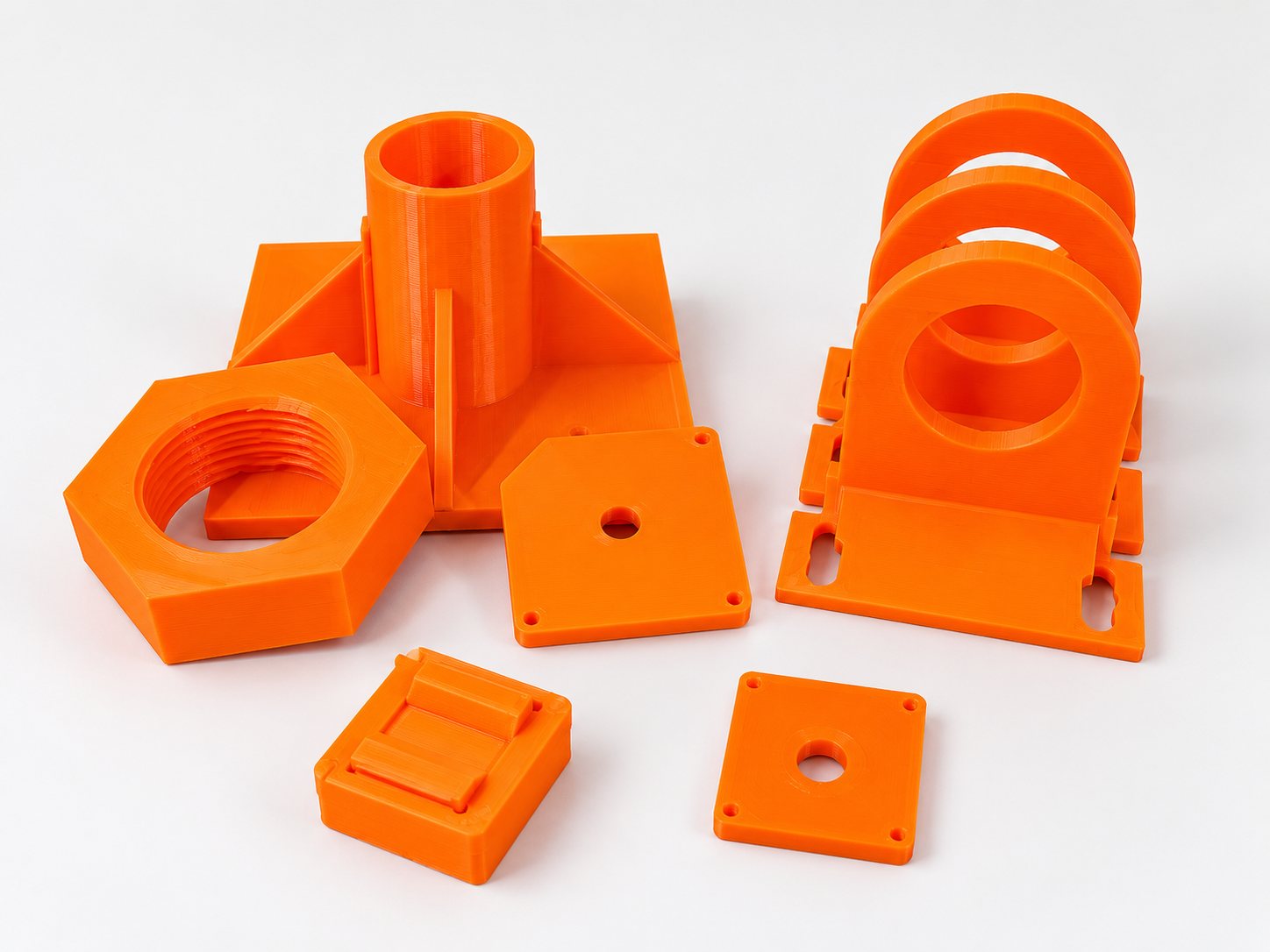
Melted filament, laid down in layers. The cheapest and fastest of the three, and tough enough for jigs, fixtures, housings and brackets that have to survive a workshop. Layer lines are visible.
3D printing · Family run since 1946
FDM, SLA and SLS, printed in the same building as the mills and the welding bay. Send a CAD file if you have one - and if you don't, send a photograph with a ruler beside it and we'll work from that instead.
One print is a real job to us. So is one of anything.
Which process
If you already know which you want, say so. If you don't, describe what the part has to do and we'll pick - it's a two-minute decision for us and a fortnight of reading for anyone else.
Melted filament, laid down in layers. The cheapest and fastest of the three, and tough enough for jigs, fixtures, housings and brackets that have to survive a workshop. Layer lines are visible.
Resin cured by light. Fine detail and a smooth surface straight off the machine - the right answer for anything that has to look finished, or for small parts with features an FDM nozzle simply cannot reach.
Nylon powder fused by laser. No support structures, so it will print geometry the other two can't - internal channels, living hinges, interlocking assemblies printed already assembled.
Worth knowing
A print costs a fraction of a machined part and lands days sooner. It is the cheapest way we know to find out that a hole is two millimetres out, that a bracket fouls the bodywork, or that the thing you have carefully drawn will not physically go in past the alternator.
So for anything that has to fit against something else, we will usually suggest printing one first - in plastic, for very little, purely to hold it up against the real thing. If it's wrong, you have lost a few pounds and a couple of days rather than a machined billet.
And sometimes the print is simply the answer. Plenty of parts never need to be metal at all: a spacer, a trim clip, a knob, a guard, a one-off jig to hold something else while you work on it. We'll tell you when that's the case, even though it's the smaller invoice.
- the family and everyone in the workshop
Capabilities
And if none of this means anything to you, ignore it entirely and just tell us what the part has to do.
| Process | Build volume | Typical tolerance | Typical lead time |
|---|---|---|---|
| FDM | 300 × 300 × 400 mm | ±0.3 mm | 1–3 working days |
| SLA | 145 × 145 × 185 mm | ±0.1 mm | 1–3 working days |
| SLS | 330 × 330 × 600 mm | ±0.2 mm | 3–5 working days |
Bigger than the bed? We print it in sections and bond it, or we machine it instead - see the full capabilities. Ask either way. We would much rather quote it than turn you away.
Talk to us
You don't need a drawing, a company name or the right words for it. Tell us what the part does and what went wrong with the old one - that's usually plenty to get started.