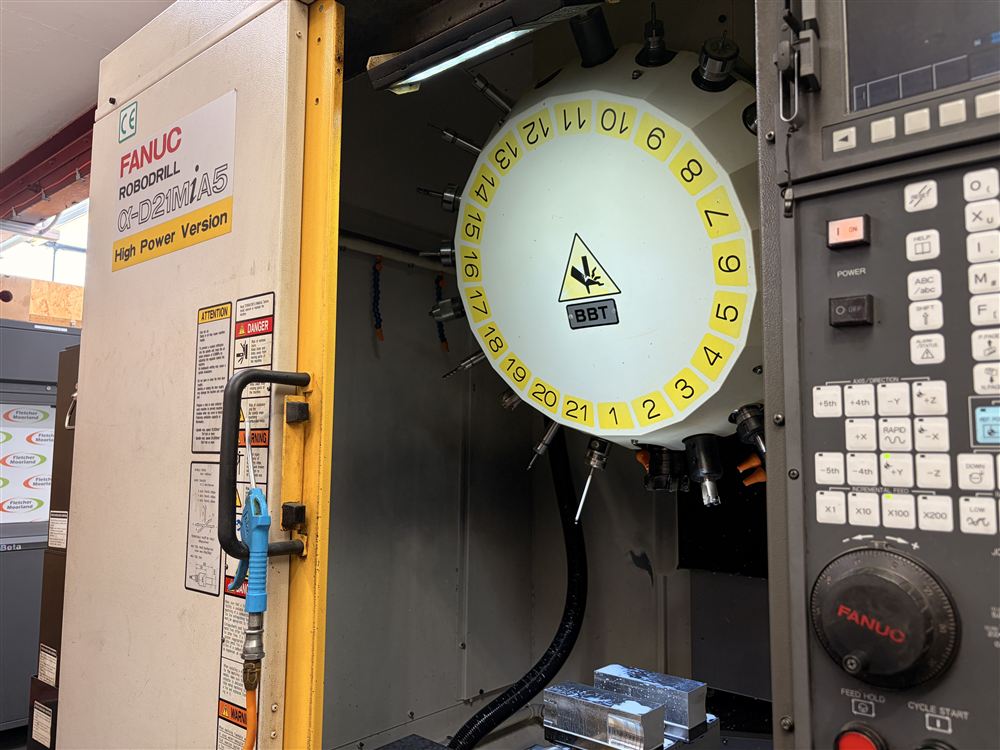
FANUC Robodrill
3-axis milling
The workhorse. A cutter working down onto a part clamped to the bed - plates, brackets, housings, manifolds. Most one-offs are this, and it's the cheapest way to get metal cut.
Machining · Family run since 1946
3- and 5-axis milling and CNC turning, plus a shop of manual lathes, mills, drills, slotters, saws, balancers and undercutters - in aluminium, steel, stainless, brass, titanium and engineering plastics. The same machines and the same inspection whether the order is one part or a thousand - and the same people looking at it either way.
Quantity one is a real job. It always has been.
The machines
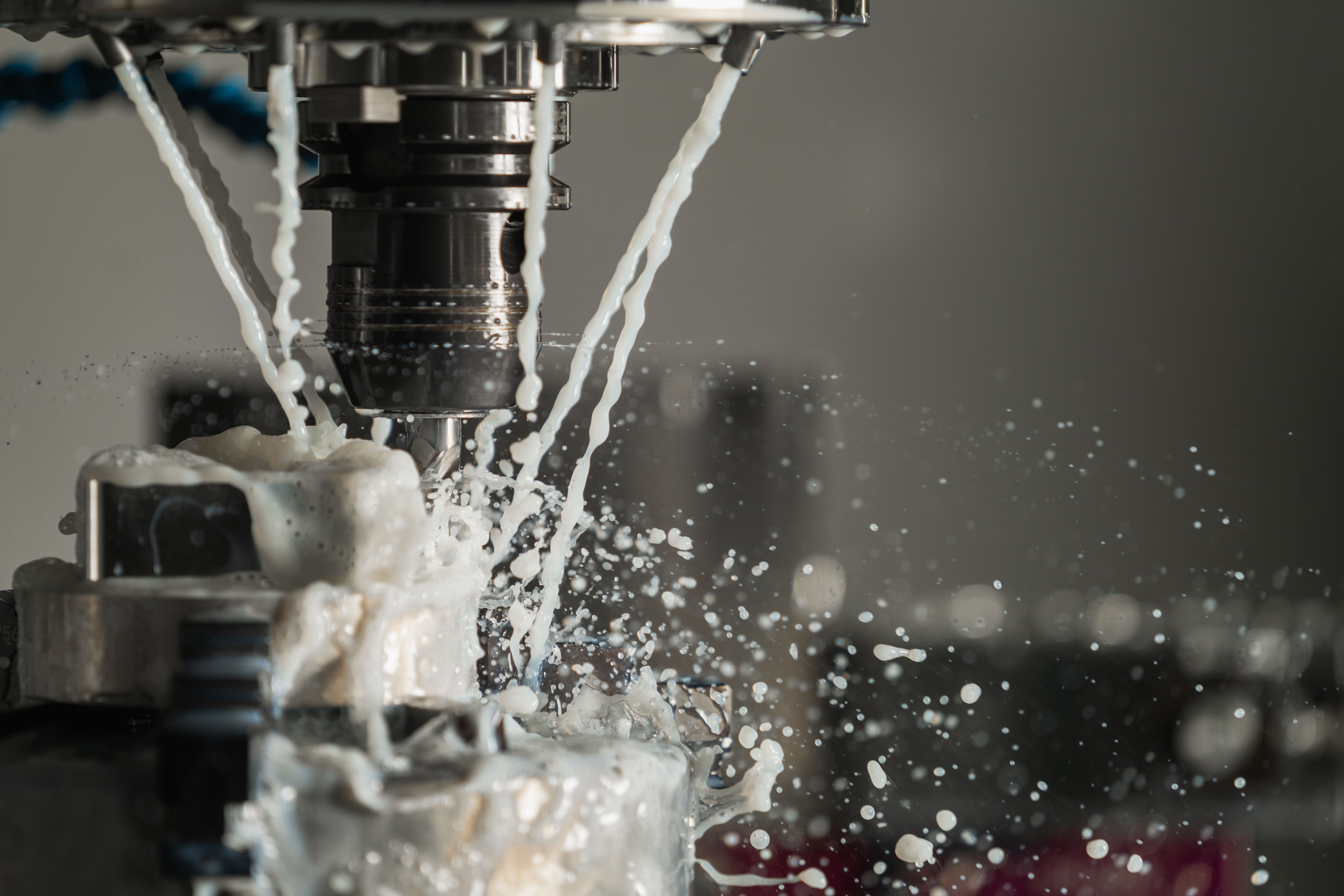
You don't need to know which machine your part wants - that's our job. Turning is for round things, milling is for everything else, and a one-off repair is often quicker by hand than by program.
FANUC Robodrill
The workhorse. A cutter working down onto a part clamped to the bed - plates, brackets, housings, manifolds. Most one-offs are this, and it's the cheapest way to get metal cut.
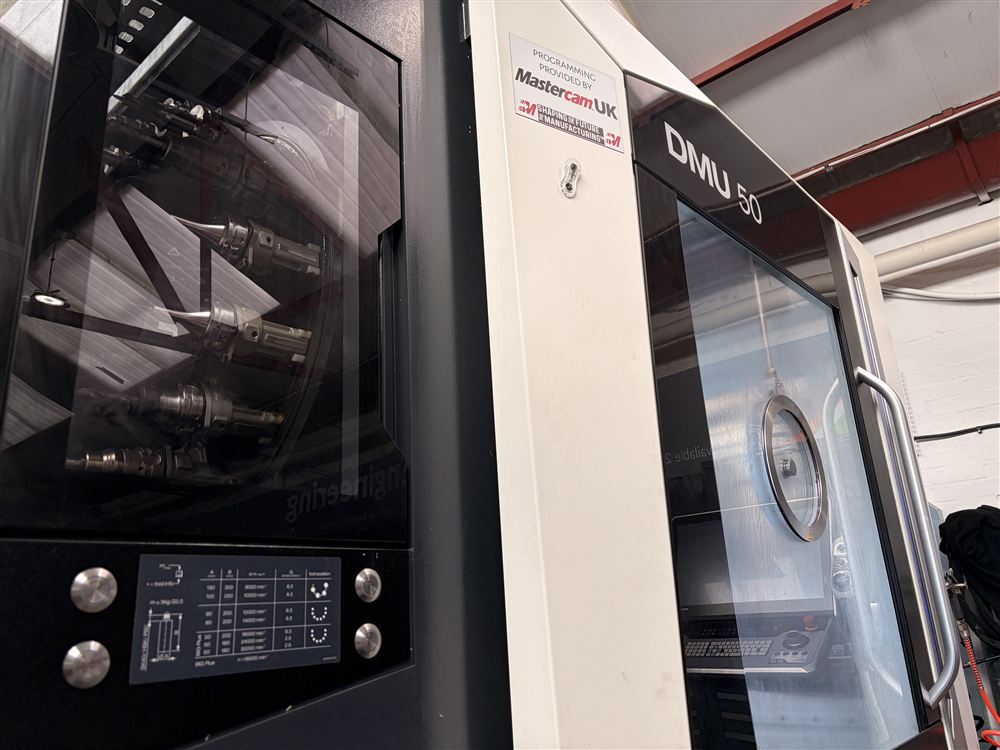
DMG MORI DMU 50
The part tilts and rotates too, so five faces are cut in one setup - tighter tolerances, better surfaces, and no error creeping in from re-clamping.
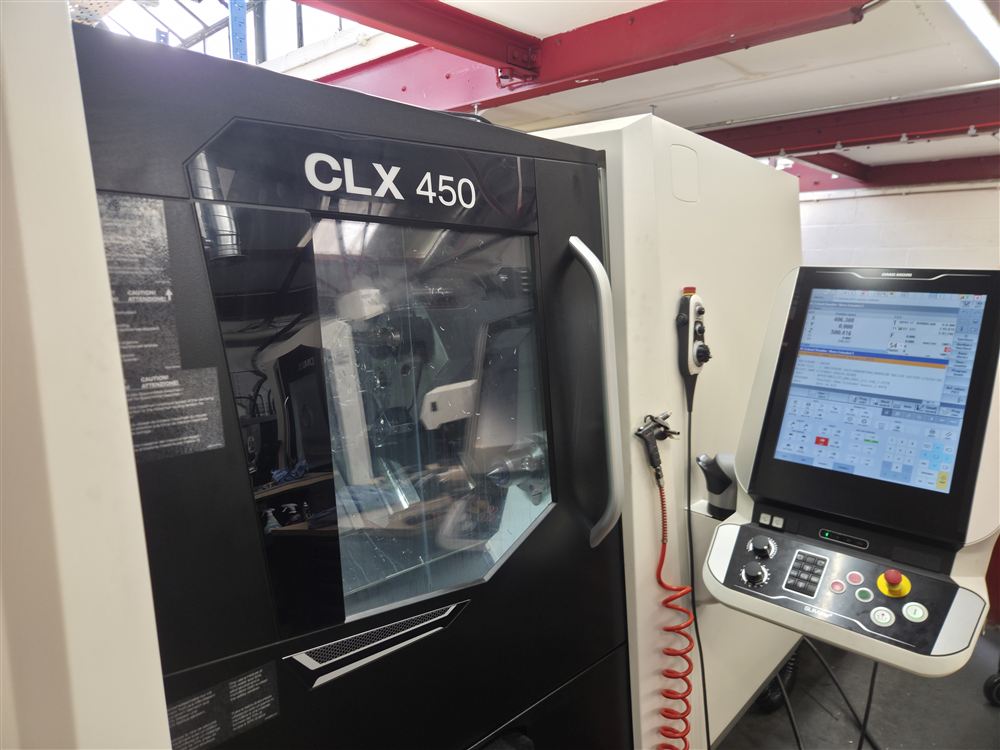
DMG MORI CLX 450
The part spins instead of the tool - shafts, spacers, bushes, adaptors. Cross-drilling and flats on the same machine, so it comes off finished.
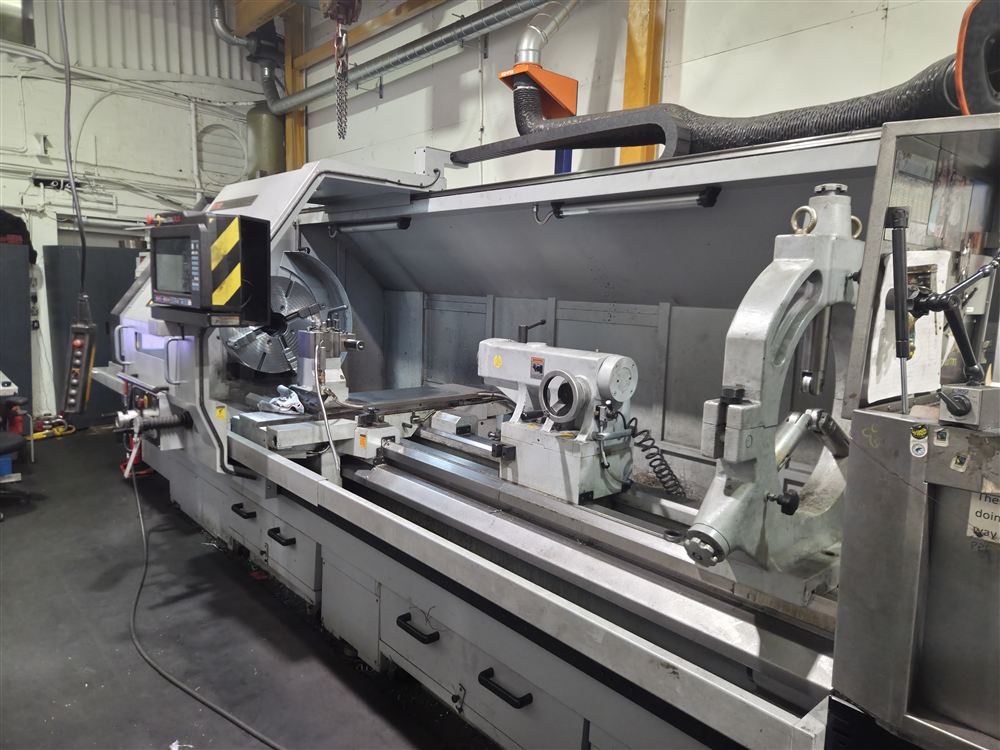
Turning
Facing, skimming, threading, sleeving a worn shaft. For one part, quicker than writing a program.
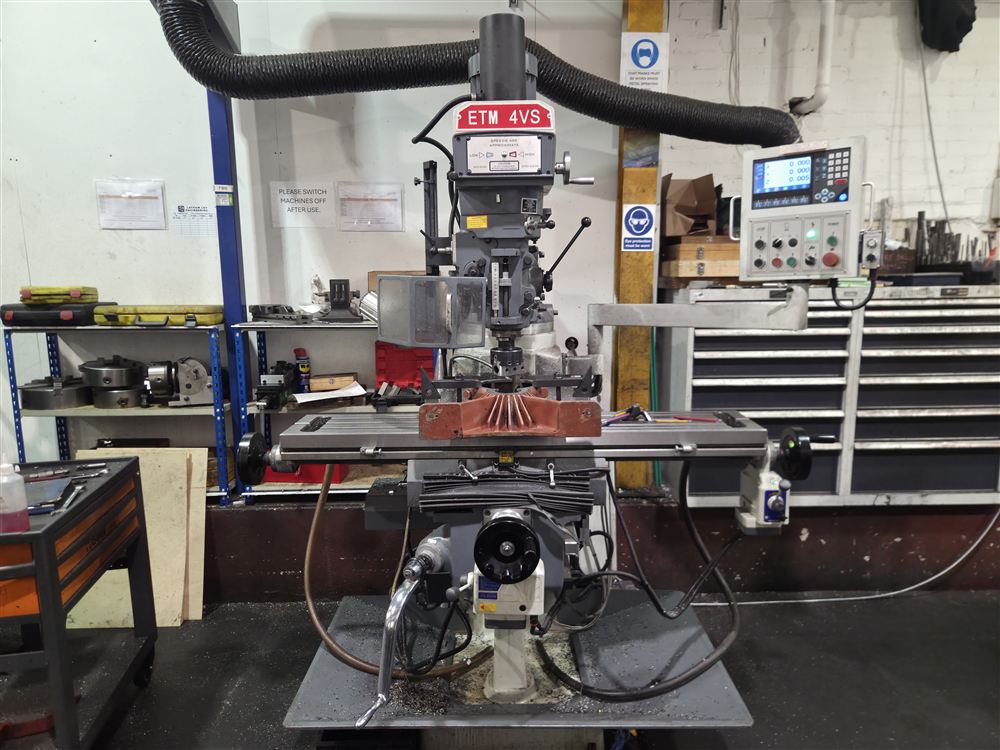
Milling
Flats, slots, pockets and squaring up stock - straightforward milling that doesn't need a toolpath.
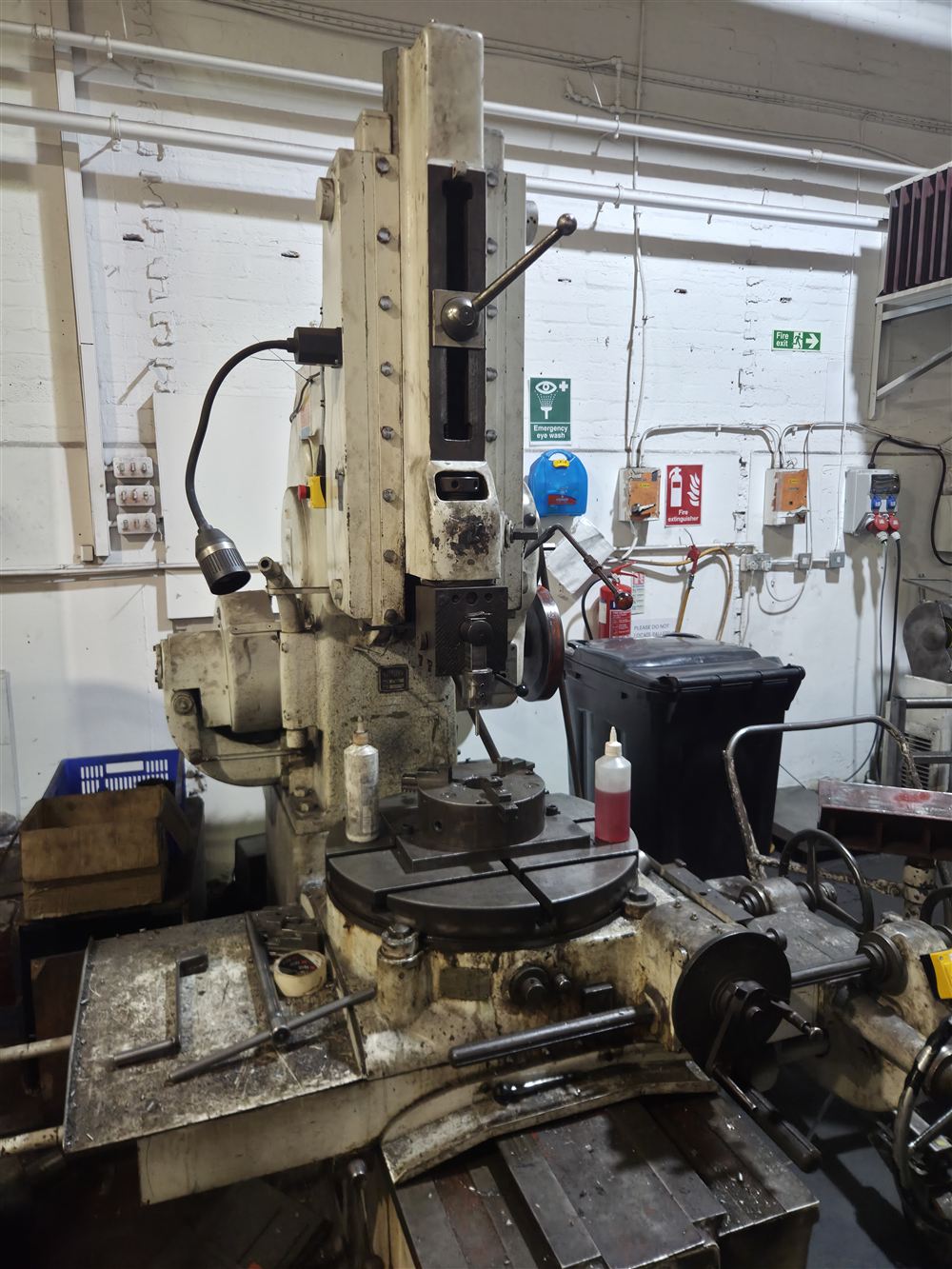
Keyways
Internal keyways and splines - the slot inside a gear or pulley bore that a mill can't reach.
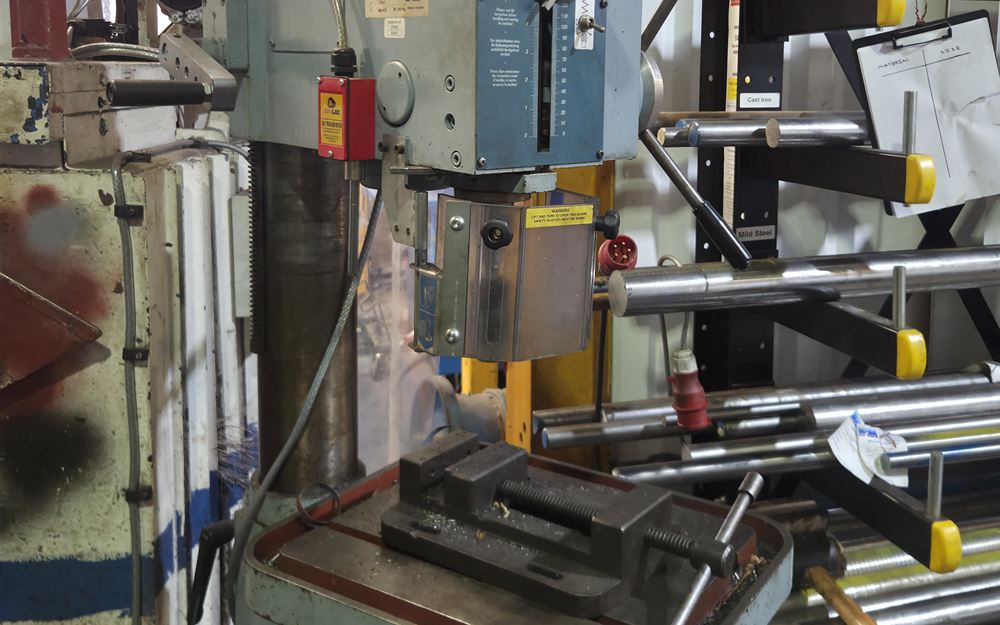
Holes
Drilled, tapped, reamed and countersunk, on a part we've made or one you've brought in.
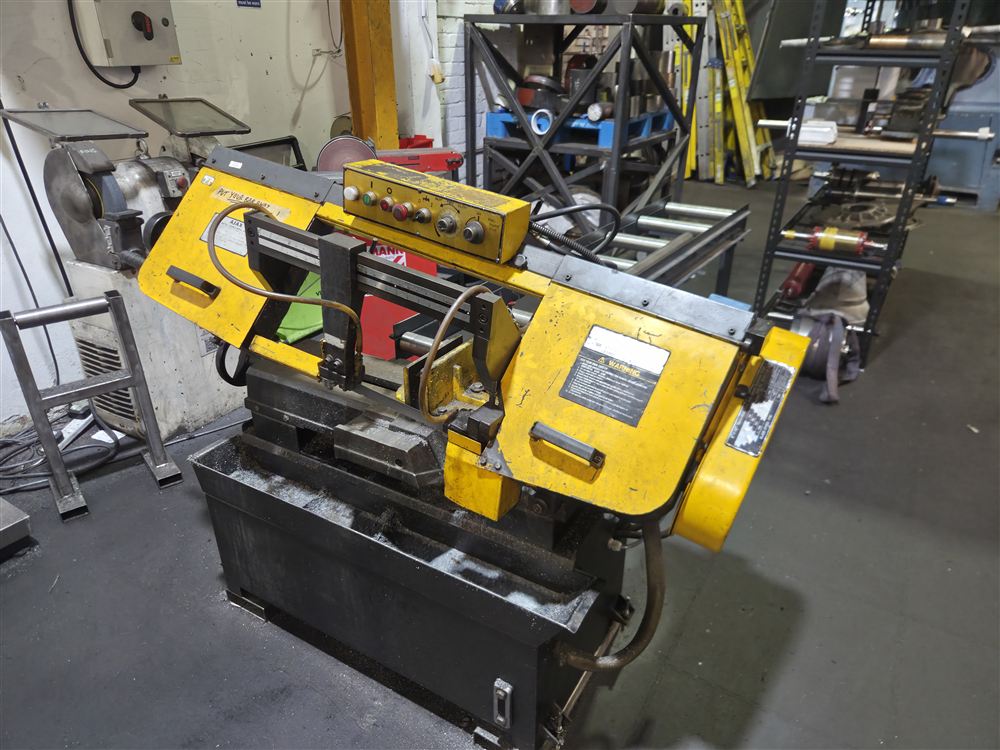
Cutting to length
Bar, tube and section cut to length - your stock or ours, before it goes on a machine.
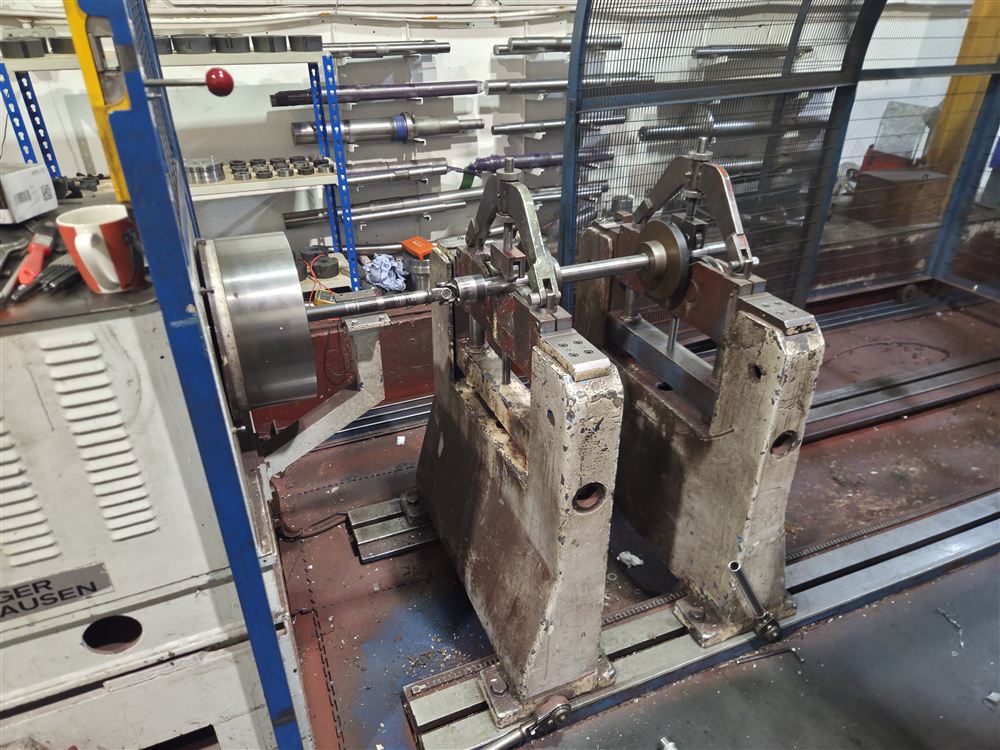
Rotors & armatures
Dynamic balancing for rotors, fans and pulleys, and commutator undercutting for DC motor armatures.
Worth knowing
People are often surprised by this, so it is worth saying plainly. Almost none of the cost of a machined part is the metal, and not much of it is the cutting either. It is the setting up - writing the toolpath, fixturing the part, proving the first one, checking it.
That work happens once whether you want one or fifty. So a single part carries all of it, and the tenth part costs a fraction of the first. This is why quantity breaks look so steep, and why we will often say "have two while we're set up" - the second one is genuinely cheap, and it saves the whole setup again in three years when the first one wears out.
It is also why we keep the model and the toolpath on file. The next one you order skips most of what you paid for the first.
- the family and everyone in the workshop
Capabilities
And if none of this means anything to you, ignore it entirely and just tell us what the part has to do.
| Process | Envelope | Typical tolerance | Typical lead time |
|---|---|---|---|
| CNC milling, 3-axis | 500 × 400 × 330 mm | ±0.02 mm | 5–8 working days |
| CNC milling, 5-axis | 650 × 520 × 475 mm | ±0.01 mm | 7–10 working days |
| CNC turning | Ø400 × 800 mm | ±0.01 mm | 4–7 working days |
Milling is on a DMG Mori DMU 50 five-axis - parts up to Ø630 × 600 mm and 300 kg - and a Fanuc Robodrill; turning is on a DMG Mori CLX 450 with a Y-axis for turn-mill work. Every part is inspected against its tolerances before it leaves, on a CMM where it calls for one, under a quality system certified to ISO 9001 by BSI.
Something outside these sizes? Ask anyway - we would much rather quote it than turn you away. Not sure metal is even the right answer? Print one first.
Talk to us
You don't need a drawing, a company name or the right words for it. Tell us what the part does and what went wrong with the old one - that's usually plenty to get started.